HVAC basics · August 2026 · HVAC Iowa City
What is HVAC? A plain-English explainer
HVAC stands for heating, ventilation, and air conditioning. Say it as four letters, H-V-A-C, or as "H-vack" like most of the trade does. It's the catch-all name for the equipment that keeps a building warm in January, cool in July, and breathable in between. You'll sometimes see HVAC&R, where the R adds refrigeration, which mostly matters for commercial kitchens and grocery cases rather than houses.
In a typical Iowa City house, the heating half is a gas furnace in the basement. About two thirds of homes here heat with utility gas, per Census Bureau housing data. The furnace burns gas to heat a metal heat exchanger, and a blower pushes your house's air across it and out through the ducts. Homes without gas typically heat with electric equipment or heat pumps instead.
The air conditioning half is a split system: the metal box outside, called the condenser, and a coil that sits above the furnace inside. The two are connected by copper lines carrying refrigerant, which soaks up heat from your indoor air and dumps it outside. The same blower and the same ducts that move winter heat move summer cooling, which is why one clogged filter can wreck both seasons.
Ventilation is the quiet member of the family: moving air through the house, exhausting stale air, and filtering what circulates. In practice, for most homes, it means the ductwork, the returns, the filter, and any fans that bring in or push out air. When one room is always stuffy while the rest of the house is fine, that's usually a ventilation problem rather than a furnace or AC problem.
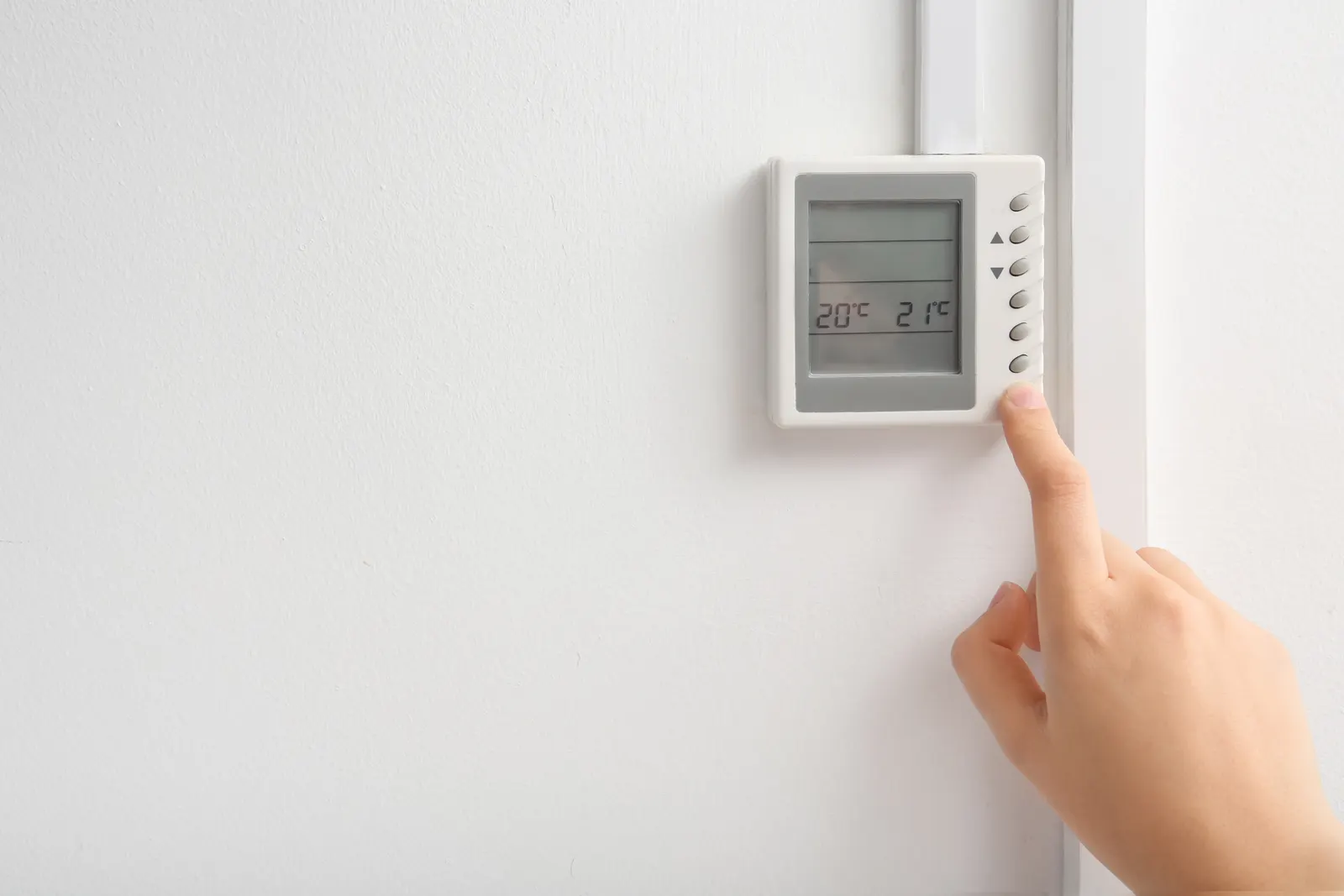
A few other terms you'll hear. The thermostat is the brain that tells everything when to run. A heat pump is an air conditioner that can run in reverse to heat as well as cool. A mini split is a small ductless system that serves one room or zone. BTUs measure heat, and tonnage measures cooling capacity, and neither matters much to you except as the units on a quote.
So what does an HVAC contractor actually do? Install, repair, and maintain all of the above: furnaces, air conditioners, heat pumps, ductwork, thermostats, and the air-quality gear that hangs off the system. In Iowa, contractors doing this work are licensed by the state, and bigger jobs like a new furnace also involve a city permit and inspection.
That's the whole acronym, demystified. If something in your Iowa City house is doing a bad job of the H, the V, or the AC, describing the symptom in plain English is all we need. The jargon is our job.